
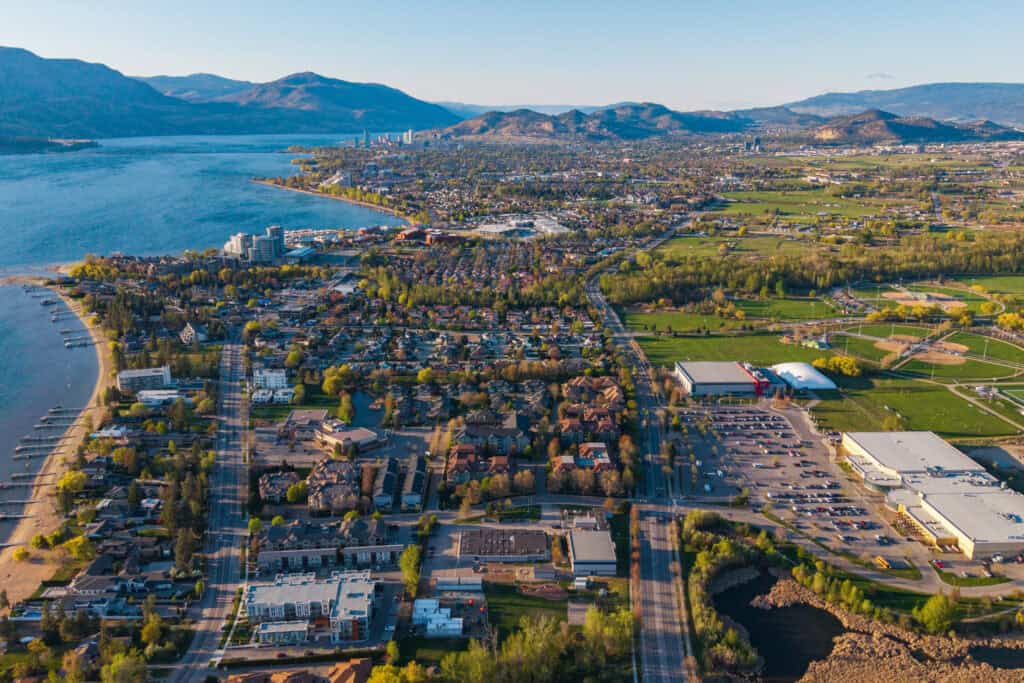
Vancouver buyers usually start with one question:
What does my budget get me in Kelowna?
Usually, more.
More house. More land. Maybe a pool, a lake view or room for the boat. And depending on where you live and work, a lot less time sitting in traffic (18 mins vs 31 mins*).
Some buyers make the change and end up leaving money in the bank.
But buying real estate in Kelowna isn’t just buying a Vancouver property with a bigger backyard.
The Okanagan has its own quirks. Agricultural land, steep hillsides, wells and septic systems, waterfront regulations, wildfire considerations, rapidly changing neighbourhoods and several different local governments can all come into play.
If you’re thinking about moving from Vancouver to Kelowna, here’s what we’d want you to know before you start looking.
First: What Does Your Money Buy in Kelowna?
This is what gets a lot of Vancouver buyers looking.
Our 2026 comparison puts the benchmark single-family home in the Central Okanagan at roughly $1.06 million compared with about $1.78 million in Greater Vancouver.
The numbers move with the market, but the difference is significant.
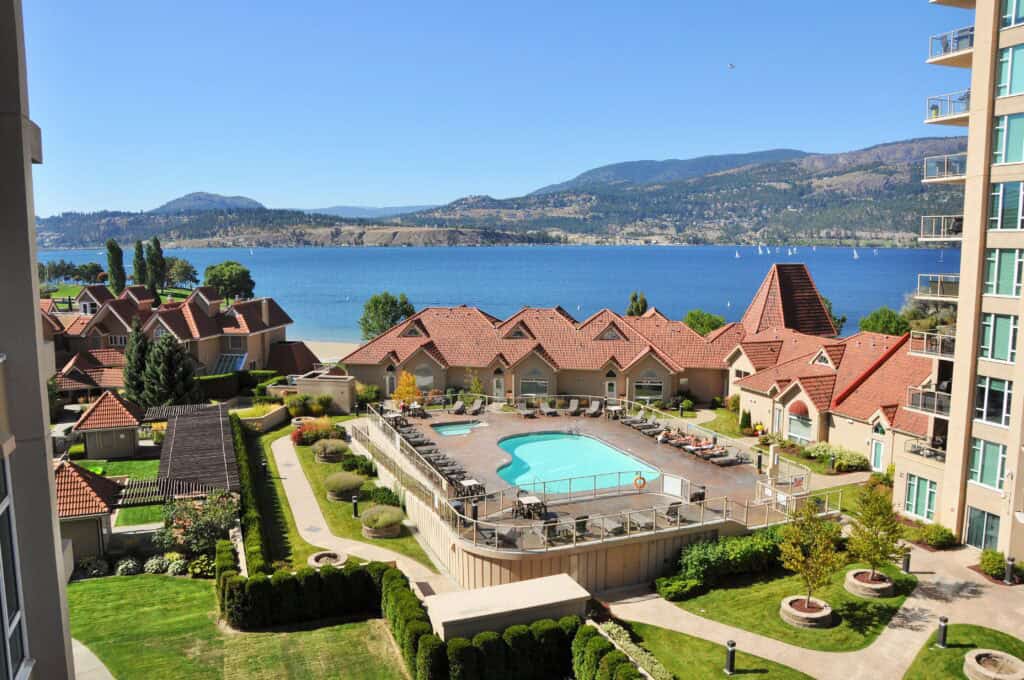
A buyer with a budget around $1.5 million may be considering newer detached homes, larger lots, pools, lake or valley views and neighbourhoods where trails or the lake are minutes away.
Can’t afford a condo in Vancouver? You might be able to get a townhome here.
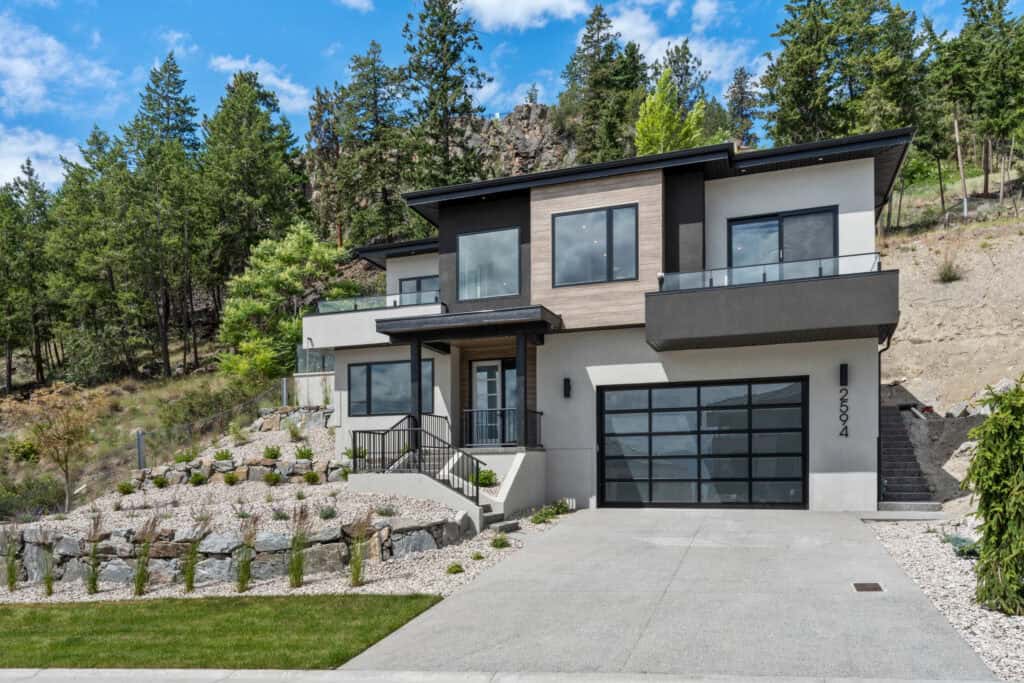
What does $1.5M get you in Kelowna?
But don’t just ask:
How much more house can I get?
Ask:
What kind of life do I want my budget to buy?
That question is much more useful.
Where You Live Matters More Than You Think
Kelowna is more walkable than its reputation suggests. You just need to know where to be.
If you want to walk to coffee, restaurants and the lake, areas around Pandosy, the Lower Mission and Downtown should be on your radar.
Want a larger family home, newer construction and trails nearby? Your search may move farther into the Upper Mission, Crawford Estates, Dilworth, Wilden or other hillside neighbourhoods.
Want acreage or more privacy? Now you’re in Joe Rich, Ellison or South East Kelowna looking at a completely different type of property, and potentially a completely different due-diligence list.
Two homes can be ten minutes apart and offer very different lifestyles.
That’s why we like to start relocation conversations with how someone actually wants to live rather than sending them a list of houses.
Walk to dinner?
Mountain bike from your door?
Room for a boat?
Close to schools?
Acreage? Horses?
Easy access to the airport, UBCO or Big White?
Answer those questions first. The map gets smaller pretty quickly.
Buying Real Estate in the Okanagan Is Different
The orchards, vineyards, lakefront and mountains are a big part of why people want to live here.
They’re also responsible for some of the things buyers need to investigate.
1. ALR Everywhere
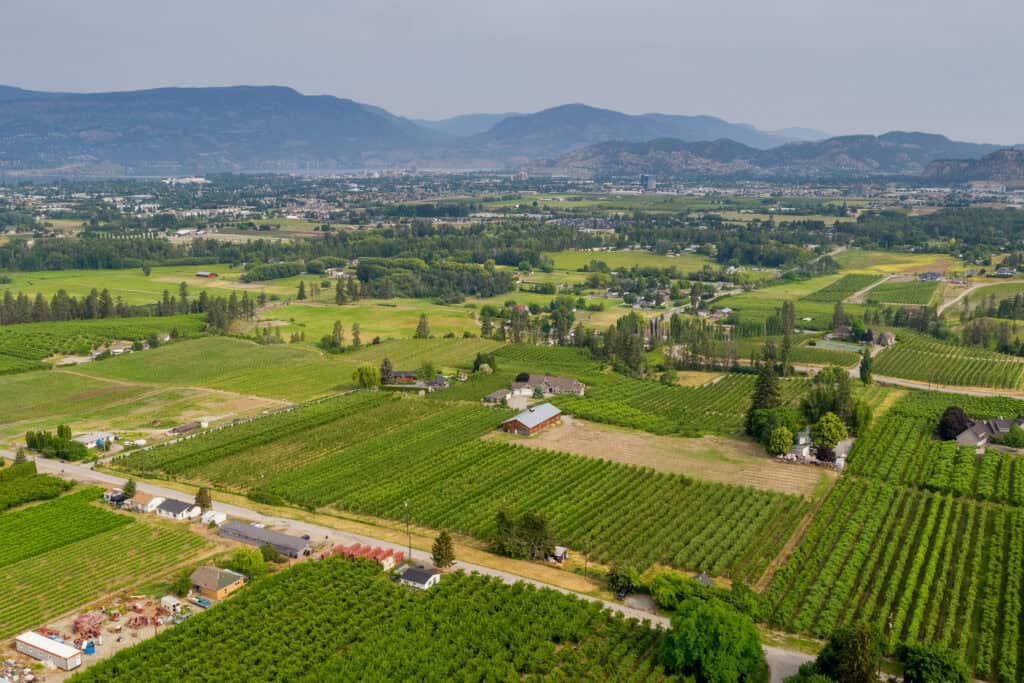
Approx. 40% of Kelowna’s land base is held within BC’s Agricultural Land Reserve. This was allocated in the 1970’s before Kelowna had condos and highrises.
That’s why you can drive through parts of the city and go from a residential subdivision to an orchard or vineyard in a couple of minutes.
These rolling orchards are what makes our city beautiful. However, buyer beware.
If you’re considering property in the Agricultural Land Reserve, what you can build, how the property can be used, additional residences and subdivision can involve another set of rules.
Buyers need to ask:
“Is this property in the ALR?”
If it is:
“Does being in the ALR affect what I want to do with it?”
If you’re buying a home and don’t plan to change anything, the answer may not concern you much.
If your plan involves another dwelling, a home-based business, subdividing, significant construction or a particular use of the land, it can matter a lot.
What about the neighbours? Pesticides and noise from farming should also be considered. Our cherry crops are so valuable, farmers use helicopters to dry cherries off after rain.
Know before you buy.
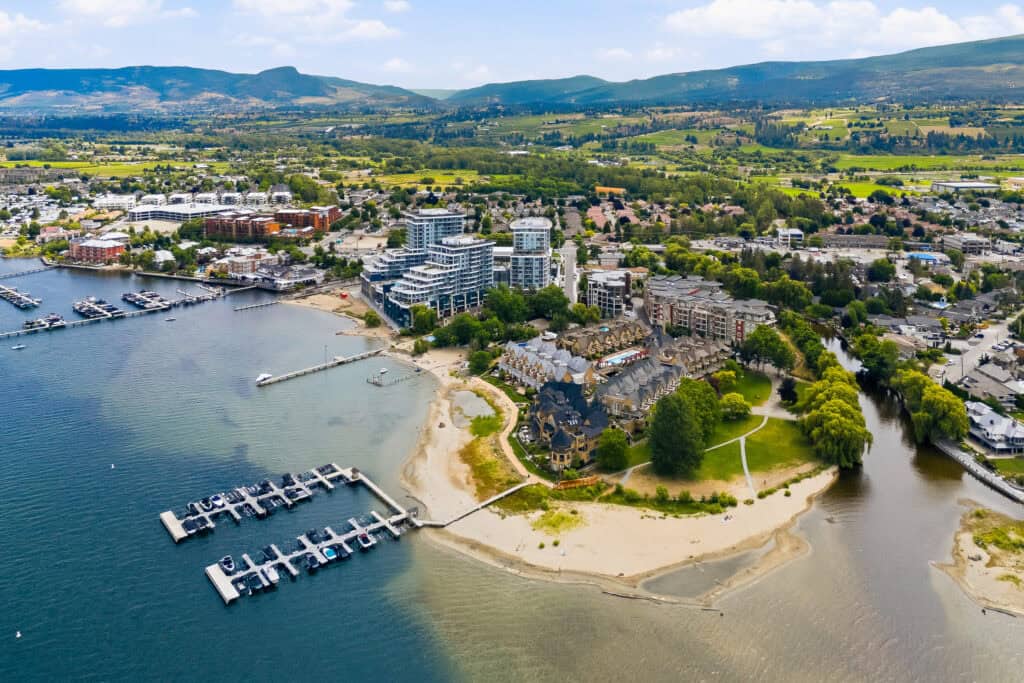
2. Nice Dock. Is It Permitted?
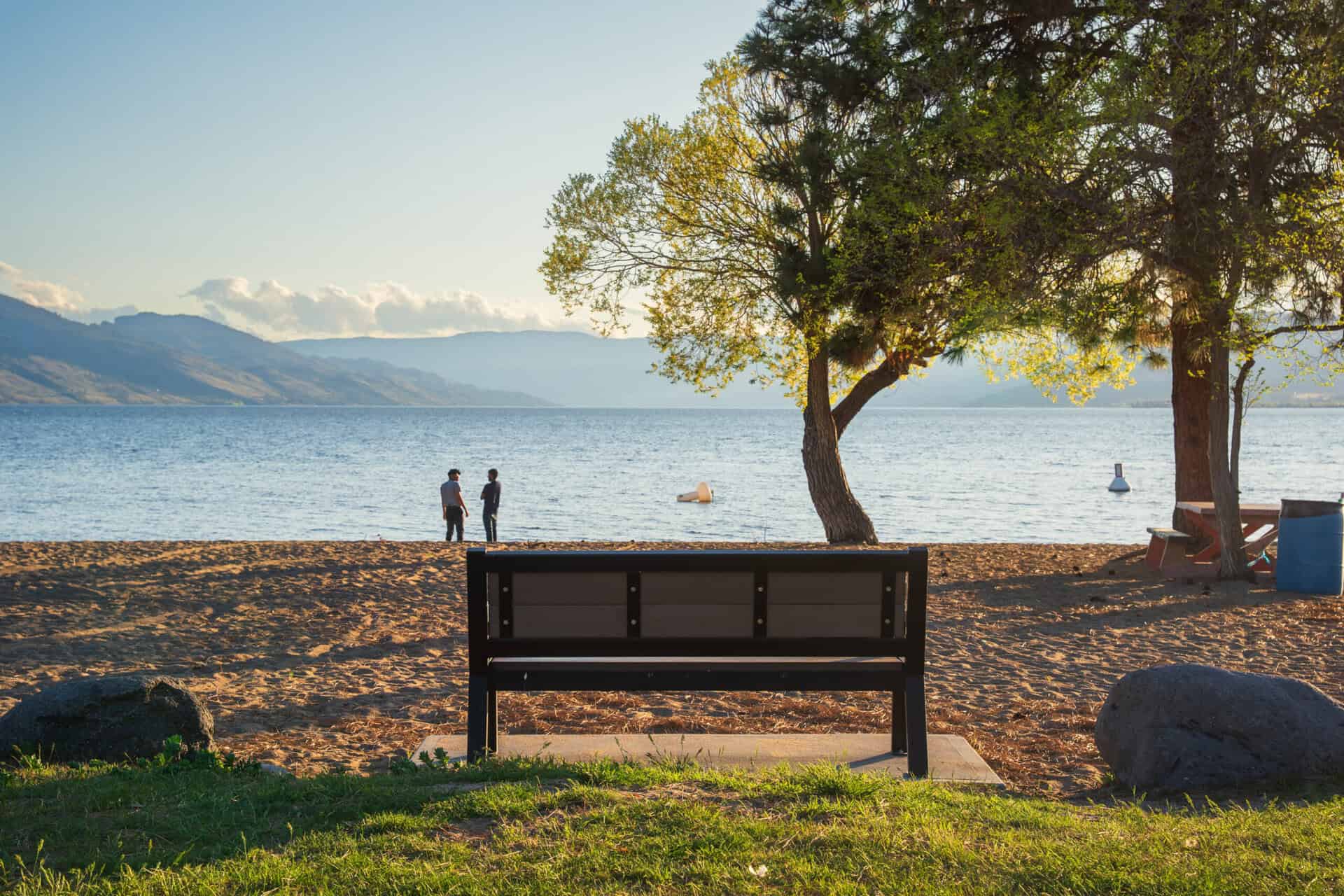
Okanagan Lake is a massive part of why people move here.
Buying on it comes with another layer of due diligence.
Foreshore tenure, riparian setbacks, floodplain considerations, low lake levels, environmental approvals and fish habitat can all affect waterfront property.
And here’s the part that surprises some buyers:
Owning waterfront property does not necessarily mean you can build a dock.
We also wouldn’t assume an existing dock is permitted simply because it’s already there.
3. One Valley. A Lot of Rulebooks.
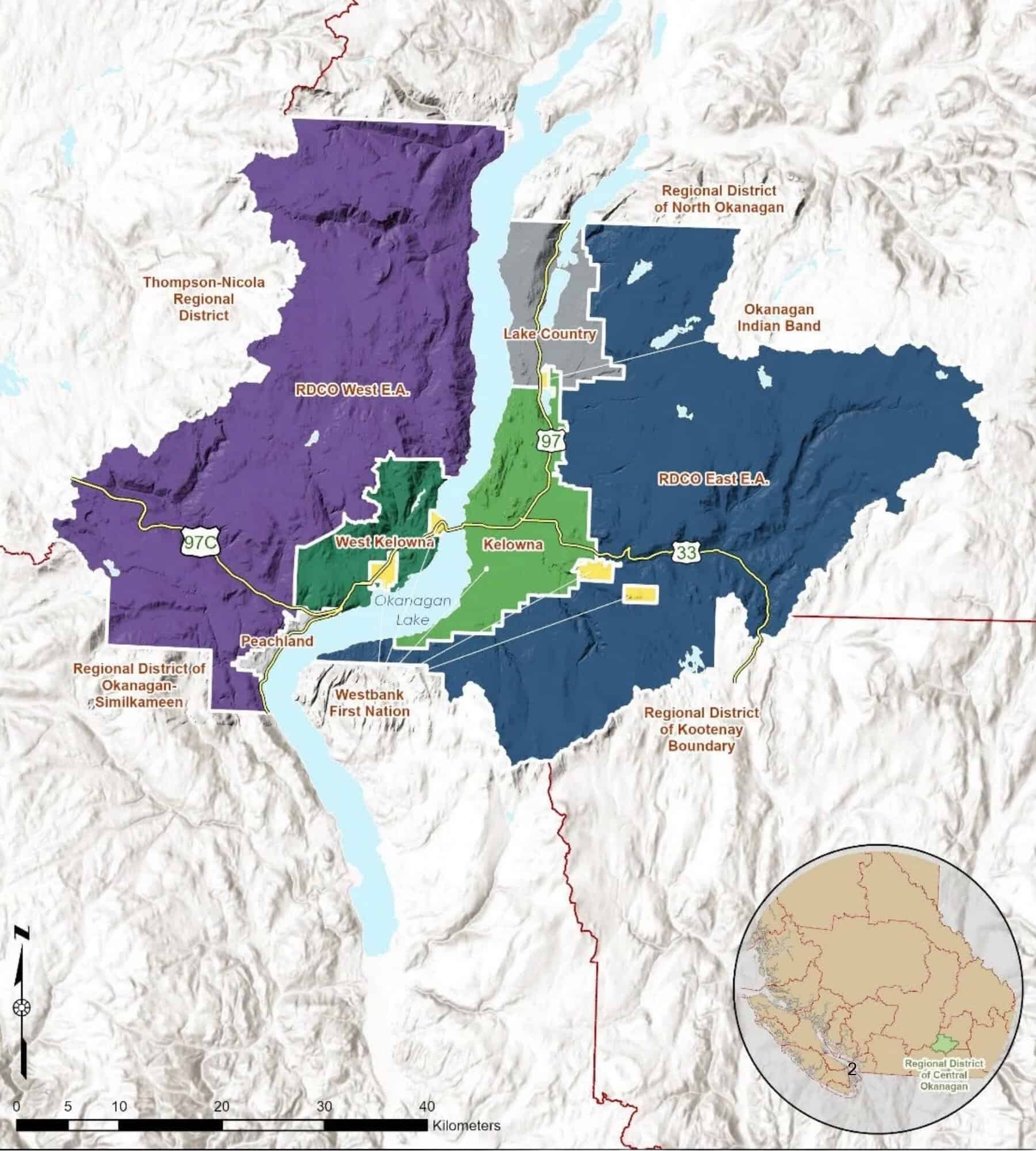
People talk about “the Okanagan real estate market” as if it’s one jurisdiction.
It isn’t.
Travel between Vernon, Kelowna and Penticton and you’ll cross 8 municipalities, 4 regional districts and First Nations lands. Plus, the Agricultural Land Commission as mentioned above.
That matters because zoning, development rules, short-term rentals, building requirements and approval processes can change depending on the address.
A property five minutes down the road may fall under a different authority.
This becomes especially important once you move beyond a conventional home purchase and start talking about redevelopment, secondary dwellings, rural land, short-term rentals, building or significant renovations.
Local connections & experience working with jurisdictions matter.
4. Heading for the Hills?
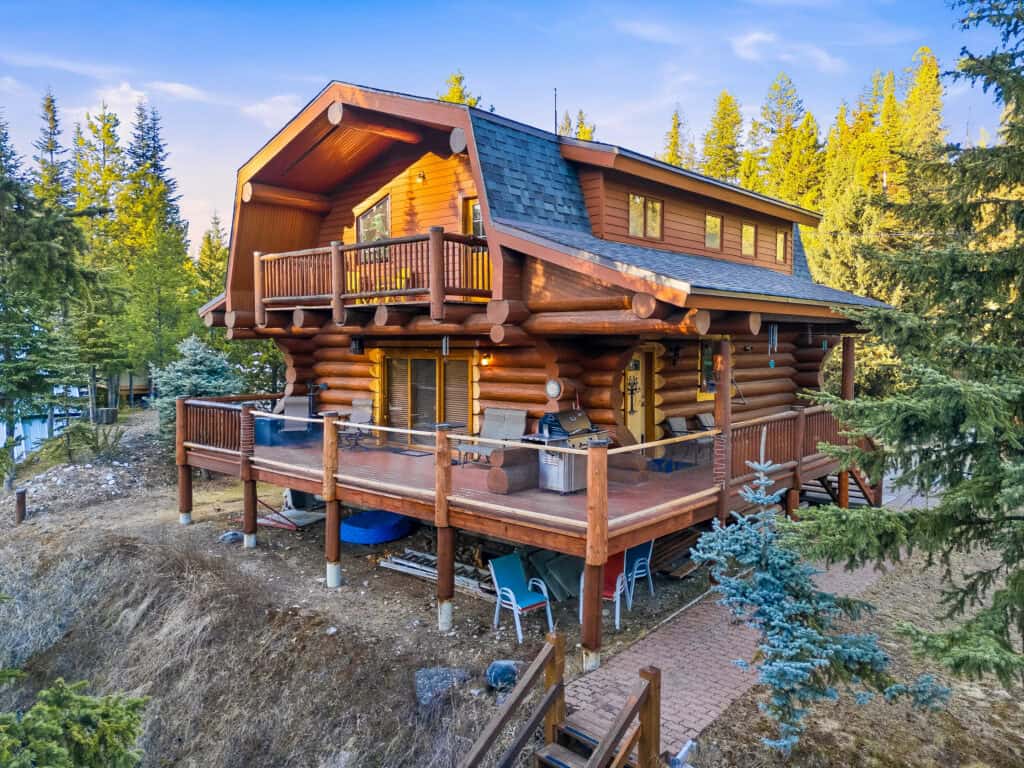
Some of the best Okanagan properties are outside traditional suburban neighbourhoods.
Acreage. Privacy. Views. Trails from your door. Maybe no neighbour in sight.
Great.
Now let’s talk about:
Well. Septic. Geotech. Access. Water. Fire. Insurance.
The view is the easy part.
Depending on the property, we may want to understand the water source and well records, septic system, access, slope or geotechnical considerations, wildfire exposure and whether insurance presents any issues.
None of this means you shouldn’t buy rural property.
It means the due diligence on ten acres outside town in Joe Rich is a lot longer than the due diligence on a house in Glenmore.
5. What’s Going Next Door?
This is one we think buyers should pay more attention to.
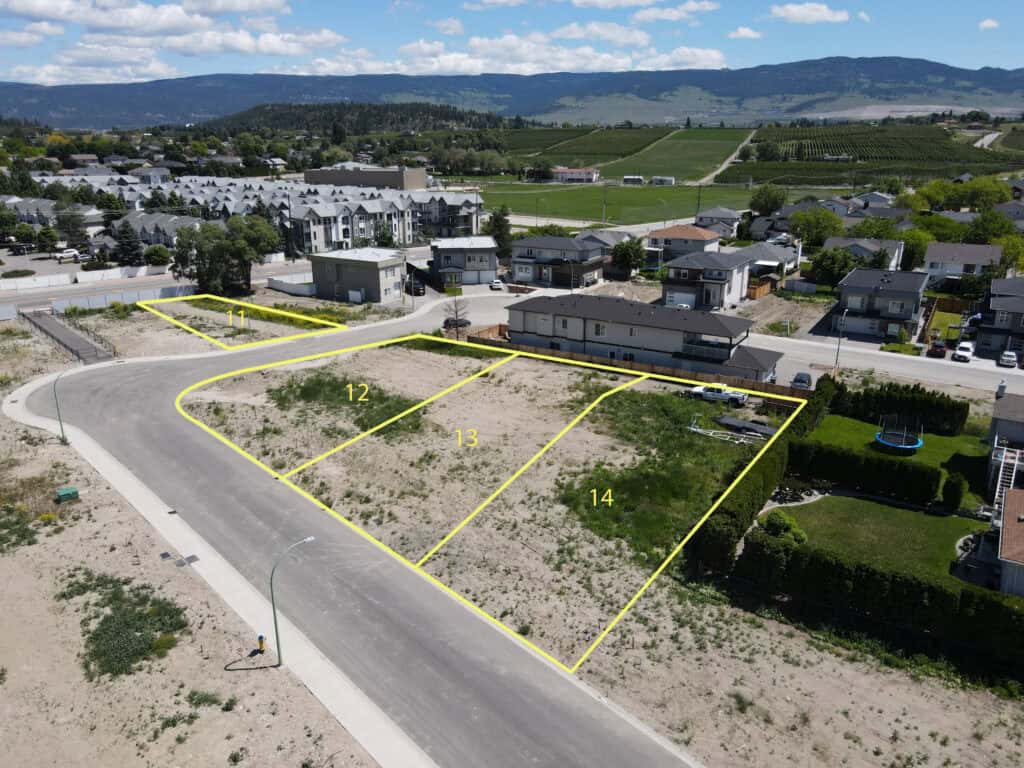
Kelowna is growing quickly and some neighbourhoods are changing substantially.
Today’s empty lot may not stay empty.
That older house next door may eventually be redeveloped. A low-density neighbourhood can become considerably denser over time.
That isn’t necessarily bad.
Redevelopment can bring amenities, new housing and increased land value. But if you’re paying a premium for privacy, a particular view or the character of the street, you should understand what could change around you.
Buying a fixer upper in a neighbourhood ripe for redevelopment? Avoid this mistake.
When we’re evaluating a property, we’re interested in more than what’s there today.
What’s planned nearby? What does the zoning allow? Where is the neighbourhood heading?
Your future buyer may care about those things too.
6. Can I Airbnb It?
Maybe.
This is an area where we’d rather disappoint someone before they buy than after.
Short-term rental rules can involve provincial legislation, municipal regulations, zoning, licensing and strata bylaws.
Then you have markets such as Big White Ski Resort, where the circumstances can be different again.
If short-term rental income is important to making the numbers work, don’t rely on what the listing says, what a neighbour is doing or what someone tells you is “probably fine.”
Confirm it for the specific property. The address matters.
So, Should You Move from Vancouver to Kelowna?
That’s obviously a personal decision.
But if the move is primarily about getting more space, spending more time outside and changing how you spend your day, Kelowna makes a pretty compelling case.
The mistake is treating “Kelowna” like it’s one lifestyle.
It isn’t.
You can live downtown and walk to the lake. Live around Pandosy and walk to restaurants and coffee. Buy a family home farther into the Mission of Glenmore. Have an orchard as your neighbour in Southeast Kelowna. Live on acreage. Buy waterfront. Or get far enough into the hills that winter access becomes part of the property conversation.
There are trade-offs to all of them.
That’s why we’d figure out how you want to live first and worry about finding the house second.
Because Vancouver buyers are usually right about one thing:
Their money can buy something very different here.
The important part is making sure they buy the right version of it.
Thinking About Moving to Kelowna?
Start by telling us what you want your life here to look like.
We’ll help you narrow down the areas, property types and potential issues worth knowing about before you buy.
Whether you’re planning a move next month or just starting to consider the Okanagan, we’re happy to be a resource.
Vancouver REALTOR® With a Client Moving to the Okanagan?
Refer to the local experts.
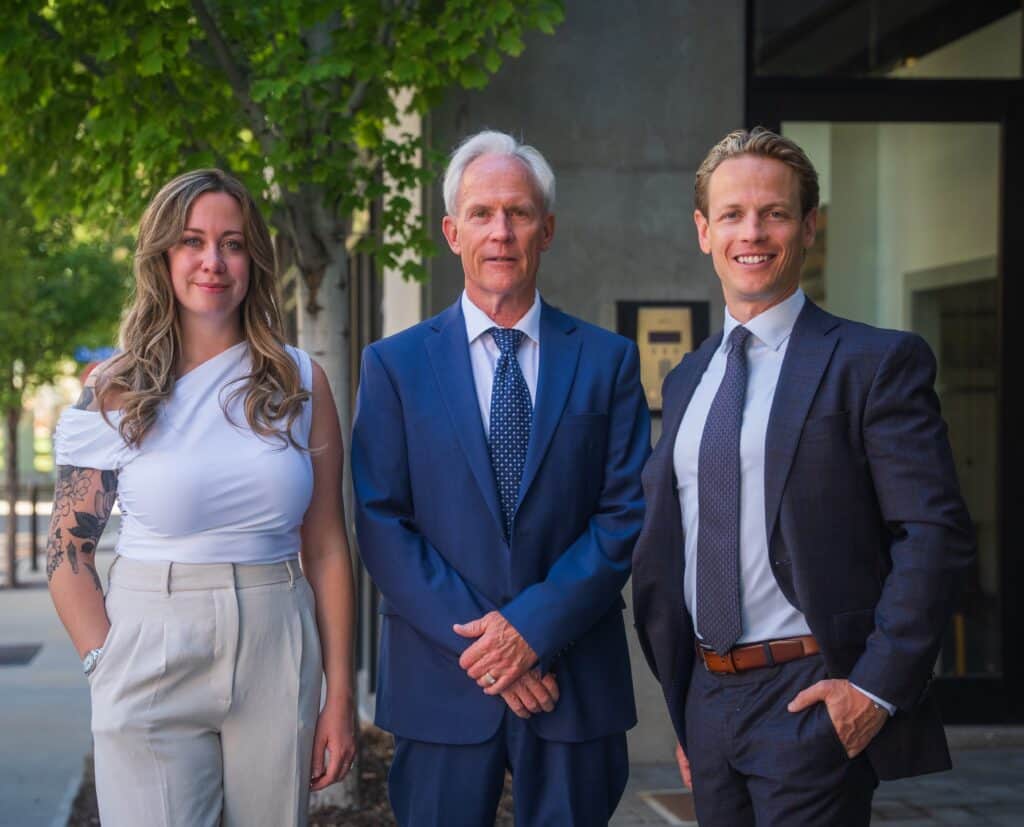
For three generations, the Jurome family has helped clients buy and sell real estate in the Okanagan Valley. Today, our team brings 64+ years of combined real estate experience to the table. We are born & raised AND we have team members who have 1st hand experience of what it is like relocating to the Okanagan.
We work throughout the Central Okanagan and regularly deal with single family homes, condos, acreages, waterfront, rural properties and the due diligence that comes with them.
When you refer a client to us, we’ll take care of them and keep you informed from introduction through possession.
About Jaxon Jurome
Jaxon Jurome, B.Sc., MCNE®, Associate Broker
Jaxon is a fifth-generation Okanagan resident and has spent a decade working in real estate in the Central Okanagan. He is a co-founder of Jurome Real Estate Group at Macdonald Realty Kelowna, a 3rd-generation Okanagan real estate team with 64 years of combined experience helping families relocate and call the Okanagan home!
Jurome Real Estate Group | Macdonald Realty Ltd.
250-300-0375
info@juromesellshomes.com